A NSW Government website - NSW Marine Estate

Instagram NSW Marine Estate

Greater Sydney region compliance focusing on marine protected areas

Published 7 July 2026 Achieving optimal compliance through educating the community and other stakeholders, and enforcing fisheries and aquatic reserve rules and regulations.
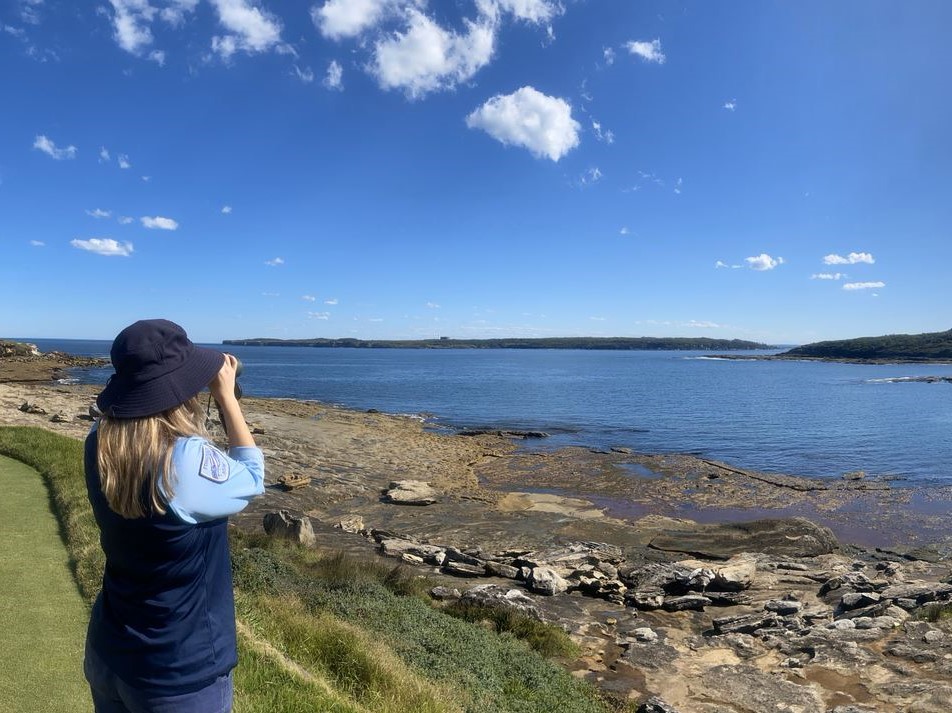
content image Fisheries patrol (Photo credit: Cara Van Der Wal)

Overview

Why is this project important?

DPIRD Fisheries administers fisheries and marine estate laws to manage fisheries resources, aquatic habitats and marine protected areas within NSW.

Fisheries Officers spend many hours on patrol, detecting and preventing illegal fishing and harm to aquatic habitats and marine protected areas.

Illegal activities are serious problems and can reduce the sustainability of fish stocks and the health of marine and estuarine environments across NSW.

The coastline from Newcastle to Wollongong is fringed by the largest urban area in NSW with high numbers of people working in and enjoying the coast.

What are we doing?

This project increases the capacity of Fisheries Officers through patrols, education and coordination of compliance activities across other government agencies, to encourage voluntary compliance as well as detect and prevent illegal activities in the Greater Sydney region.

Marine protected areas in the region are the main focus for this project, including ten aquatic reserves and nine intertidal protected areas.

These areas specifically protect marine biodiversity; however, they are also important to the community for marine education, scientific research, recreation, cultural activities and nature-based tourism.

Compliance action is critical to ensure these areas are sustainable and can be enjoyed by the whole community now and into the future.

What have we achieved so far?

The Greater Metropolitan Mobile Squad continued to strengthen compliance across the marine estate. Our officers apprehended an individual in possession of 2 female blue groper taken illegally from within the Boat Harbour Aquatic Reserve, a clear breach of the fishing closure.

The squad completed Unmanned Aerial Vehicle (UAV) or drone training, expanding its capability to monitor marine protected areas and support compliance operations across the Greater Metro Fisheries Compliance Zone.
Our officers contributed to statewide Operation DPI Mike Alpha 22 and continued to support targeted mulloway operations detecting offences during post‑harvest inspections.

Building on Metro Sydney's summer collecting operation "Turbo Reef" District Fisheries Officer and Supervising Fisheries Officer drafted and implemented a statewide recreational collecting operation.

Across the Hawkesbury bioregion, our 3‑person squad completed 1,277 inspections and interactions with fishers over 1,315 patrol hours in marine protected areas and other high‑risk locations. Our officers recorded an overall compliance rate of 84 per cent, though compliance among marine recreational collectors was significantly lower at 50 per cent. A total of 277 offences were detected across 26 pieces of legislation. Officers issued 51 penalty infringement notices valued at $17,000 and 199 written cautions and 2 verbal cautions issued.  25 offences are still under active investigation. They seized 3,405 fish, mostly intertidal invertebrates such as molluscs, cockles, turban snails and pipis, which were returned to the water alive. Sixty-two offences occurred within marine protected areas, including Boat Harbour Aquatic Reserve, Bungan Head Intertidal Protected Area, Long Reef Aquatic Reserve and Towra Point Aquatic Reserve.

The squad’s experience has informed the development of a new statewide operational plan targeting illegal recreational collecting. This plan, which commenced in October 2025, aims to lift compliance across the marine estate by improving coordination between compliance zones and strengthening collaboration with other government agencies. All data is current from 1 July to 31 December 2025.

Work progressed to strengthen links between compliance and research. The Offshore Patrol Vessel Solitary Ranger supported climate research expeditions (under Initiative 3 - Planning for Climate Change), collecting deep‑water sediment and water samples to improve understanding of blue carbon processes. These surveys also assessed deep‑water areas that may serve as future kelp refugia. Protecting blue carbon ecosystems is an important tool in reducing CO₂ emissions, yet the long‑term fate of carbon from seaweeds remains a critical knowledge gap.

Drawing on 8 years of monitoring, experimental data and oceanographic modelling, we are using the Solitary Ranger to sample water and sediment off the NSW coast in areas predicted to have high versus low kelp carbon export. This validation of carbon export to deep-sea sinks will provide the first quantitative estimates of carbon sequestration from NSW kelp forests and help prioritise the best places to maximise this potential through conservation, restoration and farming.


For more information about our achievements in the Marine Estate Management Strategy, please visit our report page.

Locations

Coastal locations from Newcastle in the north, to Lake Illawarra in the south with a focus on aquatic reserves and intertidal protected areas of the Greater Sydney region.


Local government areas - City of Newcastle

Lead agency

Department of Primary Industries and Regional Development Fisheries

Partners

  • Local councils
  • National Parks & Wildlife Service
  • Police and Water Police
  • Transport for NSW
  • Australian Fisheries Management Authority

Fisheries Officers also work with key community groups such as fishing clubs and environmental groups.

Stay up-to-date with our Marine Estate Newsletter

Read privacy policy