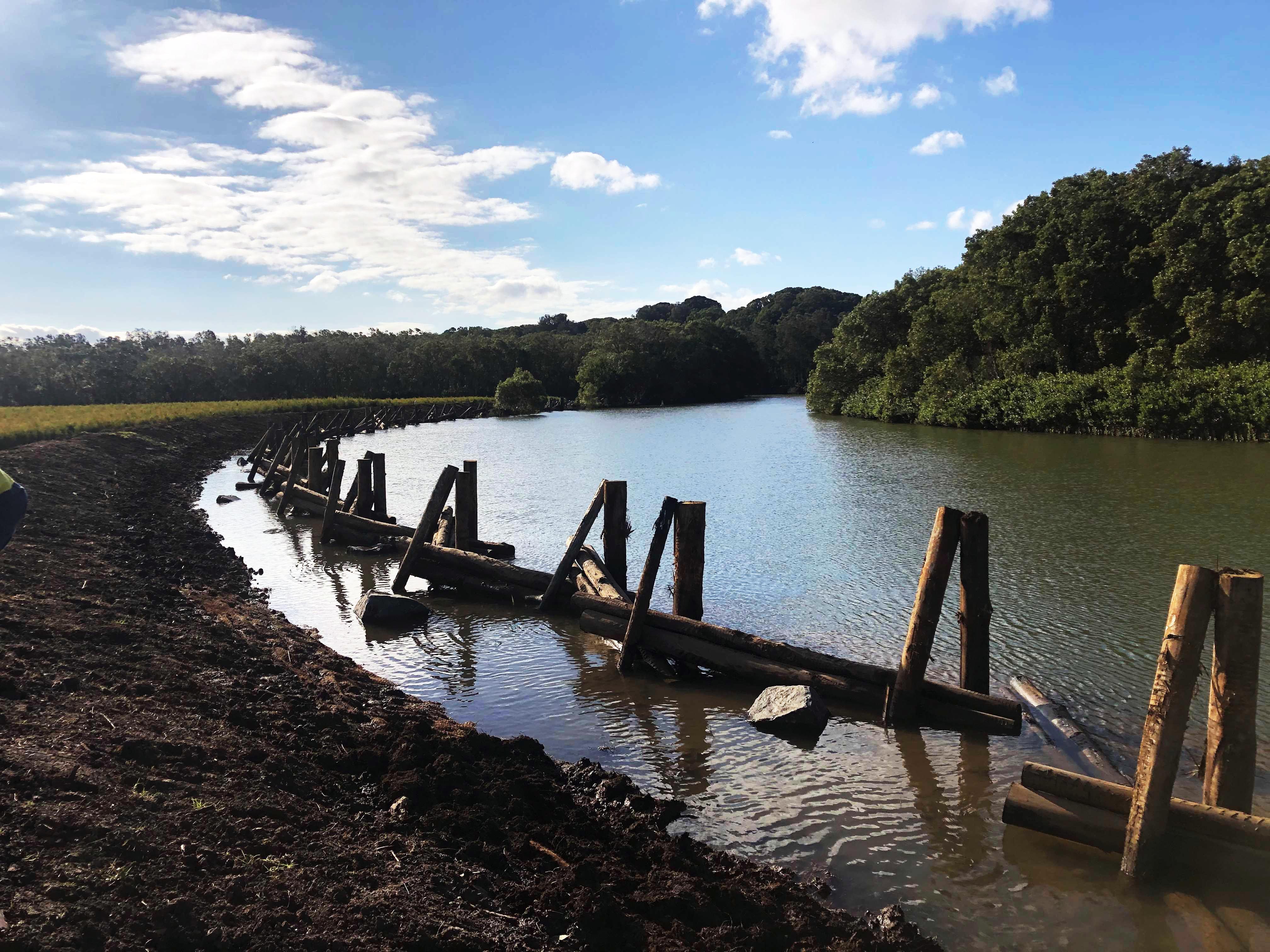
Riverbank vegetation improvements
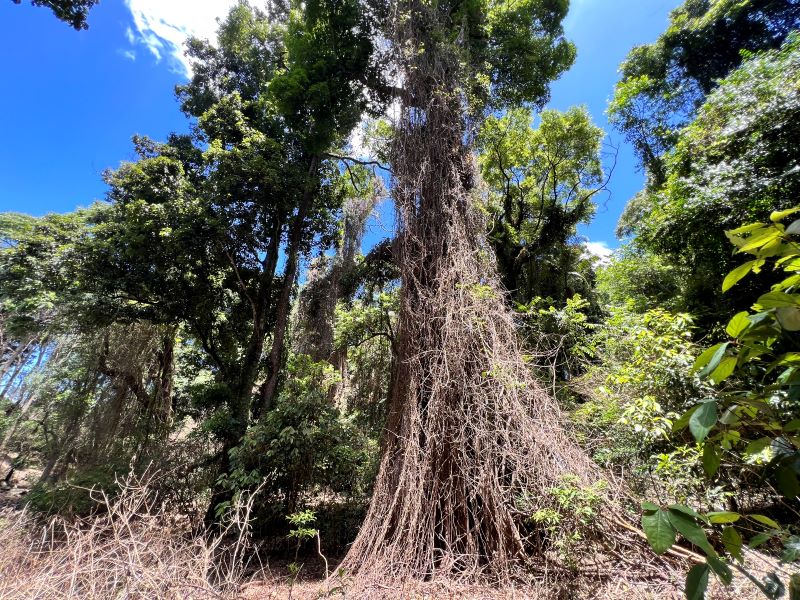
Removing weedy vines such as pictured from riverbanks is one of the key actions as part of this project.
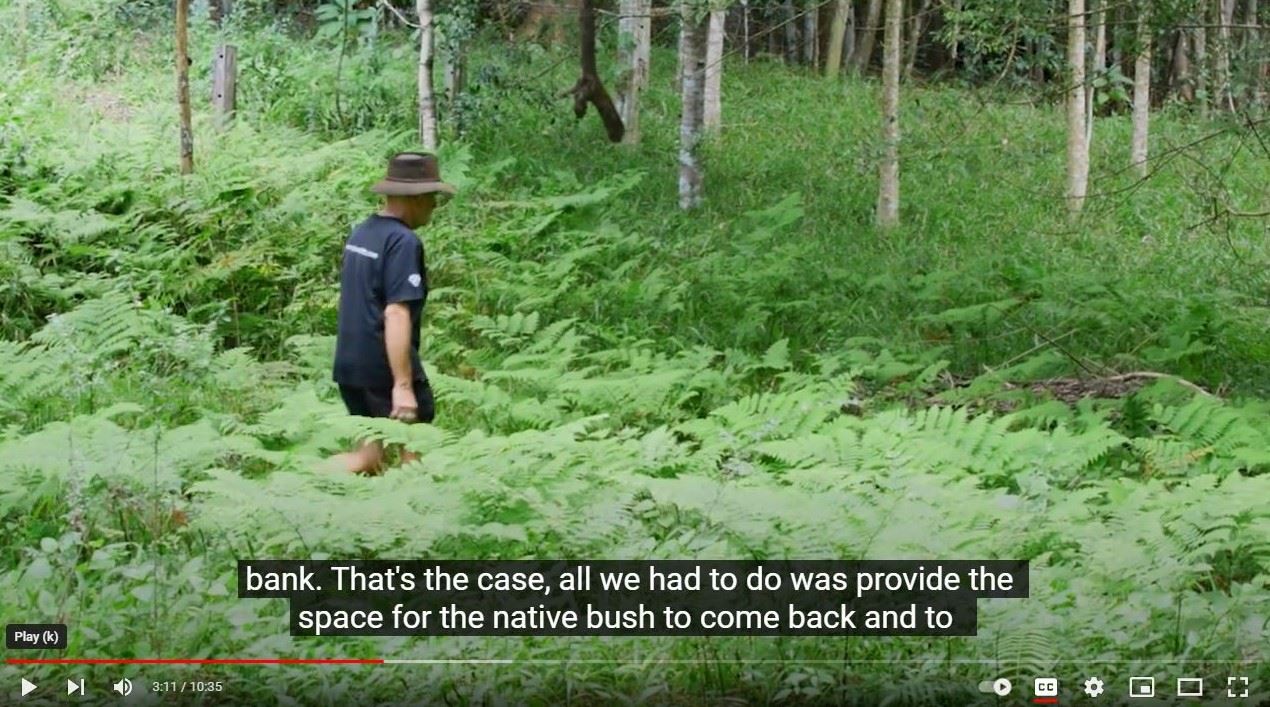
Overview
Why is this project important?
Many riverbanks in our coastal strip have been degraded by clearing, erosion, livestock trampling and weed invasion.
This not only impacts the ecology of the riverbank but can also lead to soil and nutrients entering our waterways.
The Riverbank vegetation improvement project is working with landholders in targeted riverbanks areas to rehabilitate riparian areas by action such as fencing to exclude livestock from riverbanks, replanting riverside vegetation, bush regeneration and weed removal.
What are we doing?
We are working with landholders in the North Coast, Hunter and South East regions to protect riverbanks prone to erosion through creating vegetative buffer zones.
These regenerated areas filter runoff from surrounded land before it enters the waterway, improving the health of the river or stream.
The roots from the vegetation planted helps hold riverbanks together, reducing the impact of erosion and providing improved biodiversity outcomes.
The Riverbank vegetation improvement project is working with project partners to:
- remove weeds and undertake bush regeneration
- plant native trees on riverbanks
- improve fencing and stock management
- and showcase best practice examples of how others can do the same actions on their properties.
This project is delivered in three different regions across coastal NSW: North Coast, the Hunter and the South East.
Check out the video Every bit counts – waterways and the marine estate to find out more about our Riverbank vegetation improvement project and how it is benefiting landholders and our waterways.
What have we achieved so far?
Latest update
Completed 95.7ha of riparian vegetation improvements works along 13.5kms of riparian land through a suite of controls including revegetation with planting 17,255 native plants, stock exclusion through fencing and weed control.
We produced a new publication, Bush regeneration in progress: an ongoing management guide for landholders in the North Coast, to provide practical, step by step advice on maintaining and building ecological restoration projects.
This resource supports land managers and contractors by improving revegetation success through clear guidance on weed control, planting management, plant identification and monitoring. It promotes best practice methods that enhance native vegetation recovery and supports community and conservation groups through guidance for volunteer led restoration. Industry and extension services also benefit from our standardised training resource.
The resilience of floodplain vegetation, coastal wetlands and saltmarsh in the Shoalhaven River catchment was strengthened through spiny rush (Juncus acutus) control across 43.62 hectares and 4.9 kilometres of privately owned floodplain. This work prevents further spread of this invasive species, protects agricultural productivity, reduces erosion and flood risks, and enables native vegetation recovery.
Maintenance at a flood impacted property in the Shoalhaven will restore previous vegetation enhancement works along 1.82 kilometres of riverbank. Flooding compromised fencing and introduced invasive weeds. Maintenance will reduce weed risks and prevent further degradation.
Our maintenance work across the North Coast has enabled proactive weed management following a wet spring, with initial treatment completed on 16 sites along 13.6 kilometres of creek frontage. This controls invasive weeds as new riverbank vegetation establishes, reducing erosion risk and supporting long term riparian resilience.
Maintenance is underway at 6 sites along 4.12 kilometres and 25 hectares of the Tuross River. Work commenced in partnership with adjacent farmers to maintain previous vegetation works and control invasive weeds. These actions improve water quality, reduce riverbank erosion, support native vegetation recovery and enhance riparian resilience.
Maintenance at 3 sites in the Bega River catchment is underway, with 2 sites completed across 6.12 hectares of creek frontage, improving 0.97 kilometres of riparian vegetation. This work maintains healthy riparian buffers and waterways through improved bank stability, reduced erosion and enhanced water quality.
Four land managers in the Manning River catchment have increased natural regeneration through livestock exclusion fencing, off stream watering points and strategic weed management. A total of 5.52 kilometres of riverbank is now protected from grazing, safeguarding 23.39 hectares of riparian land for regeneration. Strategic weed control has reduced competition from invasive species, supporting diverse, resilient riparian ecosystems. This improves stock health, water access, flood resilience, biodiversity and native regeneration, while strengthening resilience in the lower Manning River system.
A land manager on the Tuross River is improving livestock health, river health and water access by installing 6 alternate watering points and livestock exclusion fencing, protecting 7.88 hectares of riparian vegetation along 2.3 kilometres of riverbank. Excluding livestock has reduced erosion and enabled natural regeneration.
A section of the Shoalhaven River floodplain is regenerating following installation of a 700 metre livestock exclusion fence. The land manager has improved pasture management and water quality while reducing erosion and grazing pressure. Native vegetation is now regenerating.
A land manager at Wagonga Inlet is protecting one kilometre of sandy foreshore from grazing and erosion through livestock exclusion fencing and off stream water. This work has reduced trampling and soil loss.
Revegetation works on the lower Bega River are underway to restore 13.72 hectares and 2.61 kilometres of riverbank through bush regeneration targeting woody weeds that threaten bank stability. This includes installation of 1,000 native plants and livestock exclusion measures.
Two land managers in the Bega Valley have installed 1,230 native plants along 1.21 kilometres of riverbank to stabilise and restore 2.46 hectares of riparian land. This work improves bank stability, enhances water quality and supports biodiversity.
Get involved
If you are landholder interested in revegetating the creeks, streams, gullies and rivers on your land to reduce erosion and improve water quality, check out the details below to see if your property is in an eligible area.
You can then get in touch with the Project Officer in your area and you how you can become involved.
North coast
North coast Riverbank vegetation improvement project is working with landholders in the Richmond River area.
Expressions of interest will be assessed on suitability to meet the project objectives with priority given to macadamia orchards and grazing properties.
Click here to complete an expression of interest.
Hunter
The Hunter LLS Riverbank vegetation improvement project is working with landholders in the MidCoast Council Local Government Area which includes the Karuah River, Wallamba River and the Manning River catchment areas.
If you are a landholder seeking to improve the condition of your riparian vegetation, contact us to find out more.
Michael Barberie, Senior Land Services Officer, 0460 310 506 or michael.barberie@lls.nsw.gov.au.
South East
The South East Riverbank vegetation improvement project is working with landholders in coastal catchments across the NSW South Coast from Shellharbour in the north to Eden in the south.
If you are a landholder within 10 km of the tidal limit and would like to improve your riverbanks contact us to find out more.
Leanna Moerkerken, Senior Land Services Officer, 0427 291 798 or leanna.moerkerken@lls.nsw.gov.au.
Related projects
Riverbank vegetation improvements is one of four Local Lands Services projects funded under the Marine Estate Management Strategy to improve water quality of targeted coastal rivers.
Related local land services projects include Improving roads and tracks, Riverbank stabilisation and Clean Coastal Catchments on-ground.
You can also find out more about these projects on the LLS website.
“By collaborating with landholders to improve water quality, enhance biodiversity, and restore native vegetation cover, this project will not only benefit the community socially, economically, and culturally it contributes to the long-term sustainability and resilience for our region."
Locations
To find out if funding riverbank vegetation improvement is available in your area, please contact your regional contact or email mems@lls.nsw.gov.au
Local government areas - Ballina Shire Council, Bega Valley Shire Council, Eurobodalla Shire Council, Kiama Municipal Council, Lismore City Council, MidCoast Council, Shellharbour City Council, Shoalhaven City Council, Wollongong City Council
Lead agency
Local Land Services (LLS)
Partners
We are working with a variety of primary producers (such as beef, dairy and horticultural) as well as private and public land managers interested in improving bankside vegetation and reducing sediment and nutrient loss into the Marine Estate.
More information
Our Initiatives
Contacts
Other contacts
QUICK LINKS - Video: Every bit counts
Project updates
Future proofing our rivers
14 February 2022
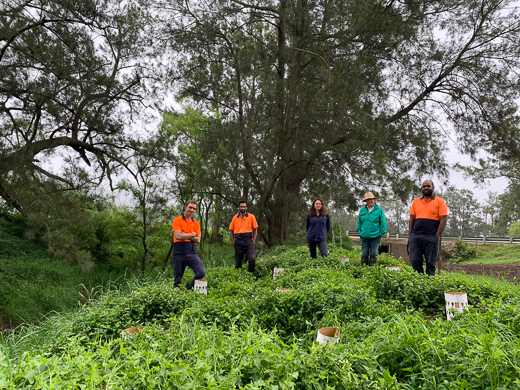
Emigrant Creek project wins prestigious soil saving award
18 November 2022