A NSW Government website - NSW Marine Estate

Instagram NSW Marine Estate

Climate change citizen science

Published 7 July 2026 Using citizen science data to map changes in fish and other marine species distribution due to climate change.
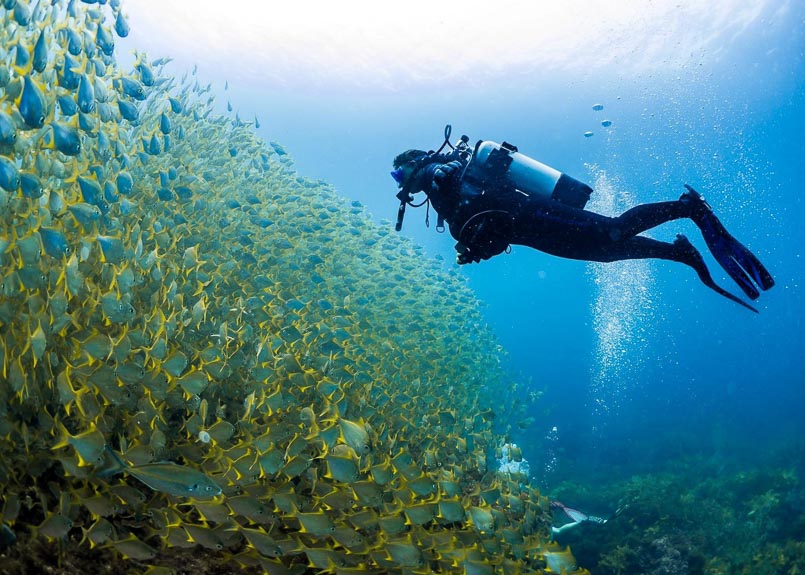
content image SCUBA divers are well placed to record and report sightings of species that are moving south along the NSW coast in response to warming ocean temperatures (Photo: Jarrad Baker).

Overview

Why is this project important?

As the ocean warms, many marine plants and animals are moving to keep pace with their preferred temperatures.

Along the NSW coastline, this means species are moving further south. This shift south is changing our coastal environments.

Assessing this change is vital for the ongoing management of our fisheries and coastal ecosystems into the future.  

This project engages citizen scientists already observing marine species as they fish, snorkel or dive to develop a better understanding of how the distribution of our marine life is changing due to climate change.

Given that fishers, snorkelers and divers often visit the same place over time, they are well placed to detect species that are new to the areas.

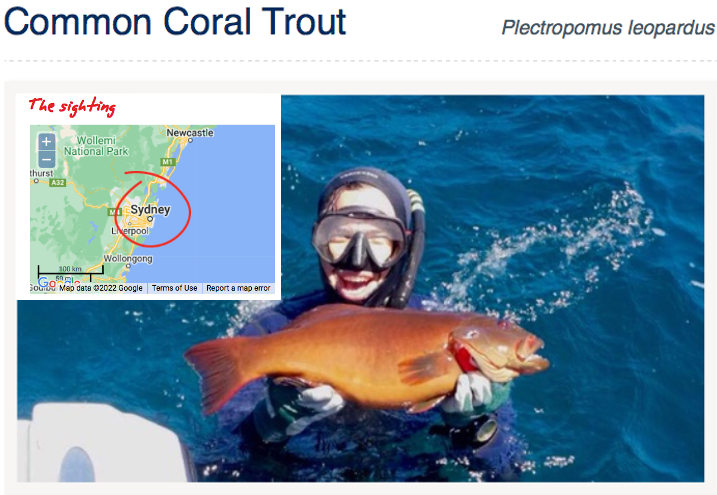
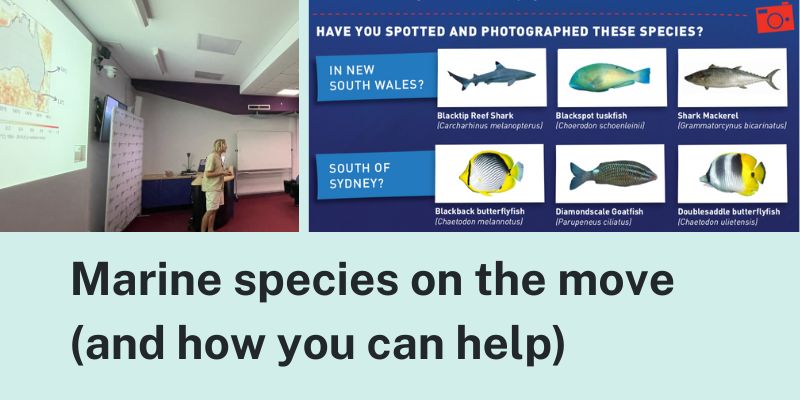
NSW DPIRD has teamed up with Redmap Australia (Range Extension Database and Mapping Project) to harness the power of citizen science to better understand which species are on the move along the NSW coastline.

You can see what marine species are on the move on the NSW coast by checking out the NSW Citizen Science Report Card or see the most recent out-of-range citing on the NSW REDMAP website.

You can find out about other DPIRD Fisheries Marine Ecosystems projects on the DPIRD Fisheries website.

What have we achieved so far?

To date, we have:

The Marine Match NSW card game has now become a core part of the Marine Estate Education Strategy. Developed through our climate change citizen science project, the game brings 14 iconic marine species to life through vibrant watercolour illustrations, clear descriptions and engaging facts. It offers an accessible way for communities to learn about the state’s marine ecosystems.


For more information about our achievements in Marine Estate Management Strategy, please visit our report page.

Locations

Statewide


Local government areas - Statewide

Lead agency

    Department of Primary Industries and Regional Development

Partners

    We are working closely with The Range Extension Database and Mapping Project (Redmap Australia; redmap.org.au), hosted by the University of Tasmania, to deliver this project.

More information

Stay up-to-date with our Marine Estate Newsletter

Read privacy policy